
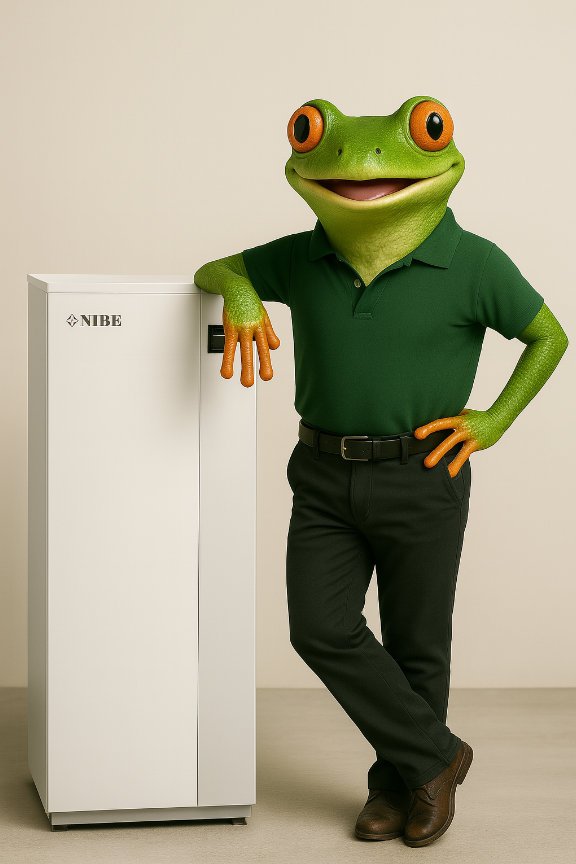
Ground Source Heat Pumps
Sustainable Heating from the Ground Up
Ground Source Heat Pumps (GSHPs) are one of the most efficient and environmentally friendly ways to heat your home. By using the stable temperature beneath the earth’s surface, a GSHP provides consistent heating and hot water all year round — even in the depths of winter.
Whether you're building new or upgrading an existing system, ground source heating offers long-term savings and low running costs.
Whether you’re upgrading from oil, electric, or an old boiler system, we’ll guide you through every step — from heat loss calculations to smart controls and system design.
Because when it’s done properly… it’s easy being green. 

Learn More


Let's talk Heat Pump
Why Choose a Heat Pump?
Heat pumps don’t just warm your home — they do it in a smarter, cleaner way. By drawing renewable energy from the air or ground, they deliver efficient heating and hot water with far lower carbon emissions than traditional systems.
We specialise in air source heat pumps, the most popular option for UK homes, but we also offer ground source systems where suitable — especially for new builds or larger properties with available land.
Modern heat pumps offer low running costs, quiet operation, and excellent reliability — especially when paired with smart controls and well-designed emitters like underfloor heating or correctly sized radiators.
Comfort, control, and cleaner energy — all built around your home.
Because when it’s done properly… it’s easy being green. 

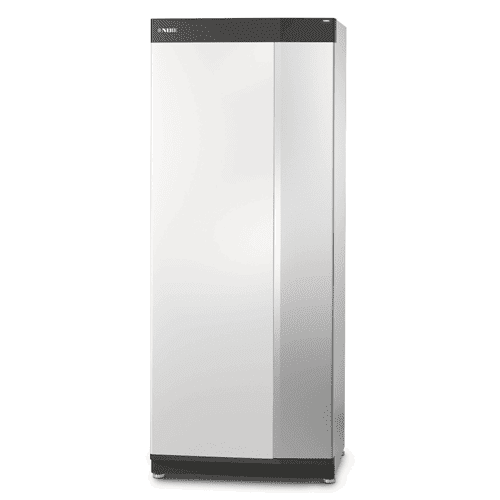
Budget-friendly from
£1750
.00
- 5 Years warranty
- Filter
- Kitchen cupboard fit
- Stainless heat exchanger
- Wireless programmable room thermostat
Purchase
How Does a Ground Source Heat Pump Work?
A GSHP circulates a special fluid through underground pipes — either laid in horizontal trenches or drilled into vertical boreholes. The fluid absorbs natural heat from the ground, which is then compressed and transferred into your home’s heating system.
Works efficiently in all seasons
Provides heating and hot water
Typically 300–400% efficient
Horizontal vs. Vertical Ground Loops
Horizontal Loop Systems
Require more outdoor space, as pipes are buried in shallow trenches (around 1–2 metres deep). Ideal for homes with gardens, fields, or land around the property.
Vertical Borehole Systems
Use deep drilled shafts when space is limited. These require less surface area but cost more due to specialist drilling equipment.
Our team will help you determine the best option based on your property and budget.
How Much Does It Cost?
Ground source systems typically range from £15,000 to £30,000, depending on the type of ground loop and your home’s size. While the upfront cost is higher than air source systems, GSHPs often offer better long-term efficiency.
✅ Eligible for the Boiler Upgrade Scheme (BUS) — up to £7,500 off
✅ Lower running costs than LPG, oil, or electric heating
✅ Excellent lifespan: 20+ years for the heat pump, 50+ years for the ground loop
Frequently Asked Questions
Heat Pumps
Installation
Controls
Radiators
Underfloor Heating

Proud member off
First fix plumbing underfloor heating. Air Source Heat Pump and second fix plumbing
10
John has been an absolute star and has completed the plumbing for my self build. He is very knowledgeable about eco-technology and very reliable.
Fitted new boiler
10
Fantastic work, Job well done. John is so reliable and constantly kept in touch, just to make sure everything was okay. Thankyou so much for your hard work.
Boiler fitted
10
Amazing job such a polite young man went above and beyond thanks again John couldn't recommend enough
Relocating the boiler, fitting all new and additional radiators and plumbing in the new kitchen
10
Ecellent service and top level professionalism all round. Very highly experienced and technically brilliant. Price was terrific no hidden extras anywhere and even made time to programme all my thermostats and controls which I didn’t ask him to do. Always turned up early and was great with communication. Cannot recommend highly enough. John is a very helpful and cheery guy and no job is a pain which has been a pleasure during our renovation.
At what cost
Typical Running Costs of an Air Source Heat Pump
| Home Size | Estimated Heating Demand | Estimated Annual Running Cost |
|---|---|---|
| Flat / 1-bed (well insulated) | 5,000 kWh | ~£400–£600 |
| 2–3 bed house | 8,000–10,000 kWh | ~£650–£950 |
| 4+ bed or larger property | 12,000–16,000 kWh | ~£1,000–£1,400 |
Figures based on SCOP (Seasonal Coefficient of Performance) of 3.5 and average electricity rate of 16–20p/kWh. Actual costs will vary with insulation, controls, and usage patterns.
Getting the Best from Your Air Source Heat Pump
Use Weather Compensation Controls: Many ASHPs support weather compensation, which adjusts the flow temperature based on outdoor conditions. This keeps your home comfortable while improving efficiency and lowering running costs.
Time Your Heating Wisely: Use smart thermostats to schedule heating to match your lifestyle. Warm the house during off-peak electricity hours or when you're home to maximise comfort and savings.
Combine with Solar PV: Powering your heat pump with solar electricity significantly reduces your reliance on the grid and enhances the system's environmental benefit.
Improve Insulation: ASHPs work best in well-insulated homes. Upgrading loft and cavity insulation or installing triple-glazed windows helps retain warmth and reduce system strain.
Pair with Low-Temperature Emitters: Underfloor heating or large radiators work well with ASHPs. These allow the system to run at lower temperatures, improving its seasonal efficiency.
Battery Storage: Add a battery to store solar energy and use it to run your heat pump during peak demand times or at night, reducing bills even further.
Monitor Your Usage: Use built-in or third-party apps to monitor how efficiently your system is running. Identify energy peaks and adjust settings accordingly.
Regular Maintenance: Keep the outdoor unit clear of debris and arrange annual servicing. This keeps the system operating efficiently and ensures warranty compliance
Get In Touch